A bin plan for Toronto kitchen tear-outs
Kitchen Renovation Bin Rental Toronto
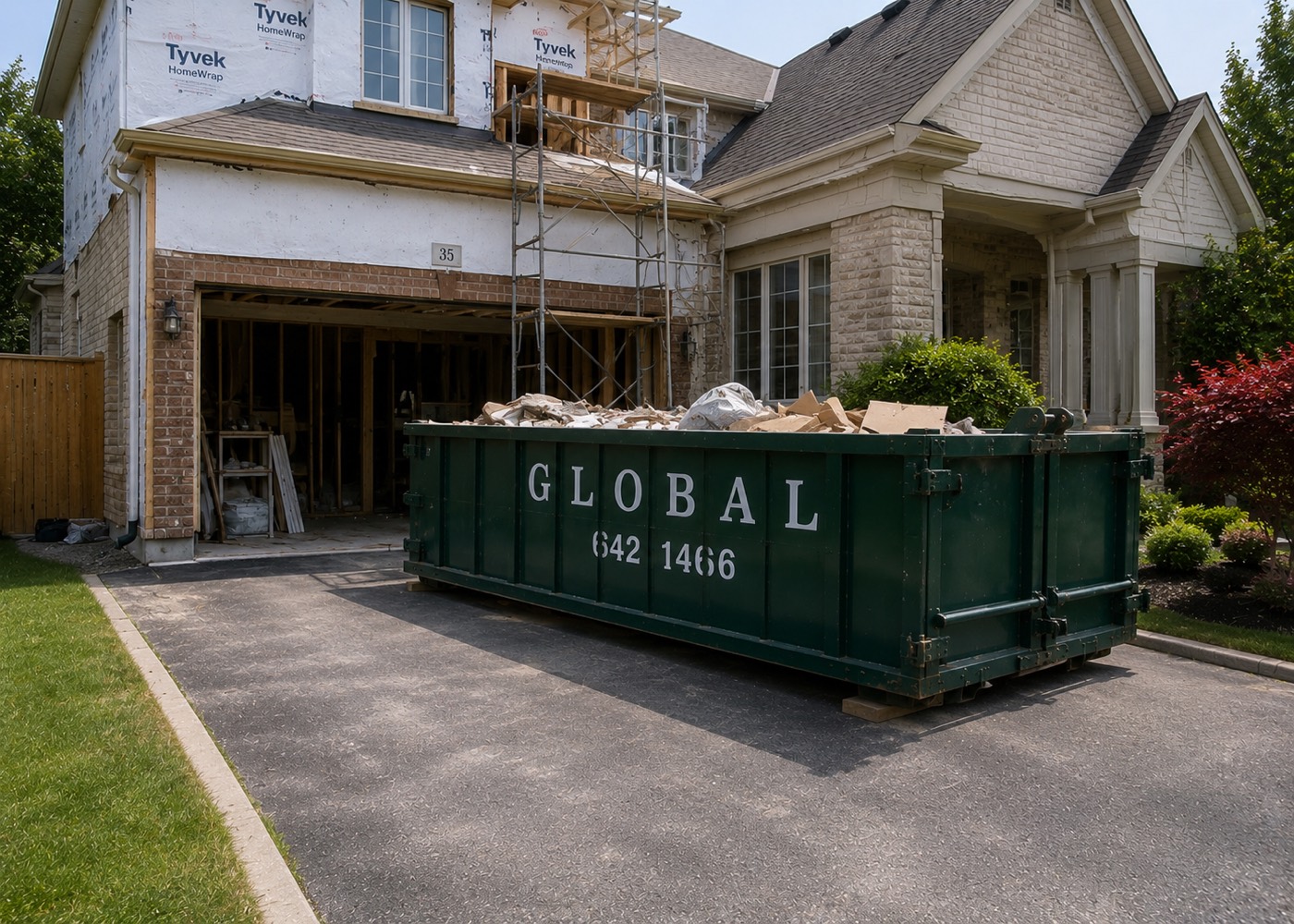
Kitchen demolition creates awkward shapes, mixed materials and more weight than the room size suggests. Cabinets, counters, tile, drywall, fixtures and packaging should be identified before the bin is selected.
Quick answer
Most kitchen projects need a mixed-debris plan
A smaller tear-out may fit a 14 yard bin, while a kitchen plus flooring, walls or adjoining rooms may need a 20 yard starting point. Stone, concrete, brick and large amounts of tile add density and should be disclosed separately. The right answer comes from the removal list, not the room dimensions alone.
Debris inventory
Write the tear-out list before choosing capacity
A cosmetic cabinet replacement is very different from a full gut. List upper and lower cabinets, countertop material, backsplash, flooring, drywall or plaster, plumbing fixtures and packaging from new products.
Keep appliances out of the bin unless their handling has been confirmed. Refrigerators and other equipment may contain components that require a different disposal route.
- Cabinet boxes, doors and trim.
- Laminate, wood, stone or tile countertops.
- Backsplash, flooring and underlayment.
- Drywall, plaster and non-hazardous fixtures.
Size decision
Account for bulky shapes and dense finishes
Cabinet boxes consume space when left intact. Breaking them down can improve usable volume, but only do so with appropriate tools and protective equipment. Long counters and large panels should sit fully inside the container.
Tile, mortar, stone and plaster add weight. If the renovation includes a concrete slab or masonry wall, separate that scope from the ordinary mixed debris and call for a heavy-material plan.
- 14 yard: smaller kitchen-only work or limited access.
- 20 yard: broader kitchen renovation with mixed bulky debris.
- 40 yard: larger multi-room or contractor projects after confirmation.
- Heavy fill: dense material planned separately.
Toronto placement
Keep private-property and street placement distinct
A driveway or other suitable private area is normally the simplest placement. If any part of the container must occupy a roadway, public lane, boulevard or sidewalk, municipal permission may be needed.
The City of Toronto states that a Street Occupation Permit is required when a disposal bin occupies the roadway or public laneway. Review current requirements early because approvals are separate from the bin booking.
- Confirm property boundaries.
- Photograph the intended placement.
- Check wires, branches and building overhangs.
- Keep the pickup approach open throughout the renovation.
Special material
Do not treat paint and chemicals as ordinary renovation debris
Old paint, solvents, cleaners, batteries, propane cylinders and similar hazardous products should not enter a general disposal bin. The City explains that corrosive, flammable, explosive or poisonous household hazardous waste requires special handling.
Use Toronto's household hazardous waste guidance for those items. Keeping them separate protects workers and prevents the load from being rejected.
- Set hazardous products aside before demolition.
- Keep liquids in their original secure containers.
- Do not hide special material under ordinary debris.
- Ask when an item is uncertain.
Local delivery planning
Service-area details for this bin rental
This page applies to customers planning work in Toronto, Ontario. The same material, access and timing checks are useful across the region, but delivery is never automatic: the exact address, material, route, container inventory and requested date must be confirmed before booking.
Use the relevant city page for local service context, then call 905-781-1431 for the actual availability check.
Keep planning
Related bin-rental resources
Get a direct answer
Tell us about the material and location
Send the basics and we will follow up. For the fastest availability check, call directly.
905-781-1431Questions customers ask
Frequently asked questions
What size bin is best for a kitchen renovation?
A 14 yard bin may fit a smaller kitchen tear-out, while a 20 yard bin is often a better starting point when cabinets, flooring, drywall and bulky material are all included. Confirm the actual removal list.
Can old appliances go in the renovation bin?
Appliances should be disclosed before booking because some need a separate handling or recycling route.
Do I need a permit for a Toronto driveway bin?
A bin fully on suitable private property is different from one occupying public space. The City requires a Street Occupation Permit for a disposal bin in a roadway or public laneway; verify the exact placement with the City.
Ready to check availability?
Call Global Waste Removal
Tell us the city, material, approximate amount, placement area and preferred delivery date.